

















Every site manager knows construction is a massive juggling act of tight deadlines, coordinating contractors, and keeping clients happy. But behind every successful build is a solid foundation of Health & Safety paperwork. True safety goes far beyond hard hats and hazard tape — it’s the planning, compliance, and documentation that keep your site running smoothly and show your team you’ve got their backs.
In this guide, we’ll help you build a proactive safety culture and keep your site compliant. From drafting phase plans and managing subcontractor records to handling fatigue policies and accident reports, we’ve got you covered.
Contents:
- Why is Health & Safety important in construction?
- Who manages Health & Safety at a construction site?
- The most common types of construction Health & Safety paperwork
- Setting up your construction Health & Safety policy
- What are CDM documents used for?
- What is a construction phase plan?
- What is construction PPE, and how do you manage it?
- Establishing a fatigue management policy
- The role of accident reporting in construction Health & Safety
- How to manage subcontractors in construction
- How templates can standardise your Health & Safety paperwork
Why is Health & Safety important in construction?
Health & Safety in the construction industry is crucial because it’s the only way to make sure everyone gets home safely at the end of the day.
Because of the dangerous nature of a construction environment, you have both a moral obligation as well as a legal duty to protect your workers, the public, and your wider business
According to the Health and Safety Executive (HSE), there were 35 fatal injuries to workers in the construction sector in 2024/25, alongside an estimated 79,000 industry workers suffering from work-related health issues.
Because sites change every day, your team faces a wide range of hazards like working at height, uneven ground, and even something as inconspicuous as loud noises. Having strict safety protocols and proper documentation in place protects your team and makes sure they feel secure while working.
Who manages Health & Safety at a construction site?
Managing Health & Safety is a team effort, but you need clearly defined responsibilities to make sure nothing slips through the cracks.
If a project has more than one contractor, the client will need to appoint a Principal Contractor to take the lead on all Health & Safety matters. While they oversee the big picture, day-to-day enforcement usually falls to the Site Manager, a dedicated Health & Safety lead, or a site supervisor.
Managing the site doesn’t just mean checking boots and high-vis jackets. It means making sure any paperwork is filed properly, safety briefings are recorded, and all compliance documents are kept up to date.
The most common types of construction Health & Safety paperwork
Having a solid paper trail is the backbone of your site’s safety and compliance. It connects the dots between what you’re planning and what actually happens on the ground.
Here’s a quick breakdown of the most common types of Health & Safety paperwork you’ll need to wrap your head around:
- Health & Safety Policy — The foundational document that outlines your overall approach to managing Health & Safety on-site and your commitment to keeping your team safe.
- CDM documents — Essential paperwork required under the Construction (Design and Management) Regulations 2015 to make sure Health & Safety is considered at every stage of a project.
- Risk assessments — Detailed checks that identify potential hazards, evaluate the risks, and set out measures to control them.
- Method statements — Step-by-step guides that detail exactly how specific, high-risk tasks will be carried out safely by your team.
- COSHH assessments — Specific evaluations for the Control of Substances Hazardous to Health (COSHH), making sure dangerous chemicals, fumes, or dust are managed properly.
- Construction PPE policies — Documents explaining what construction PPE is needed for different tasks, how it should be maintained, and logs of who it’s been issued to.
- Emergency response plans — Clear, actionable procedures for what your team needs to do if the worst happens, from fires to medical emergencies.
- Accident logs — Official records of any incidents, injuries, or near-misses that happen on-site, which are crucial for RIDDOR compliance.
- Training records — Up-to-date logs proving that your team has completed their site inductions and holds the right certifications to do their jobs safely.
- Toolbox talk registers — Registers to prove who attended your brief, on-the-job safety talks, demonstrating ongoing training and communication.
- Equipment and scaffold inspection logs — Under regulations like Provision and Use of Work Equipment Regulations 1998 (PUWER) and Work at Height, you need a paper trail of regular checks, such as the mandatory seven-day scaffold inspection logs or daily machinery checks.
- Asbestos surveys — These are crucial for any work on pre-2000 buildings. A Refurbishment and Demolition (R&D) Asbestos Survey is a mandatory legal document that must be completed and shared before breaking ground.
Setting up your construction Health & Safety Policy
Proactive safety starts with paperwork. A Health & Safety policy sets the standard for how your site will operate and outlines exactly how you plan to protect your team.
To create your policy, you’ll need to carry out a few thorough, well-documented checks. You’ll need to:
- Identify the hazards present on your site.
- Evaluate the likelihood and severity of potential harm.
- Implement strict control measures to reduce those risks.
Whether it’s a COSHH assessment of hazardous materials or a working at height risk assessment to prevent falls, documenting your approach is a legal requirement if you employ five or more people.
But your paperwork also needs to translate into real-world action. This means regularly reviewing risk assessments as the site evolves and delivering up-to-date training to make sure your team understands the policies you’ve put in place.
What are CDM documents used for?
You’ll often hear ‘CDM’ thrown around on site, which refers to the Construction (Design and Management) Regulations 2015. These regulations make sure Health & Safety is baked into your project from the very start.
CDM documents keep everyone — from the client to the Principal Contractor — on the exact same page.
Key documents include:
- Pre-construction information
- Health & Safety file
- Construction Phase Plan
Keeping these in check helps you stay on top of legal compliance and guarantees everyone on site knows what they’re dealing with.
What is a construction phase plan?
A Construction Phase Plan (CPP) is essentially your master blueprint for site safety. Brought in under the CDM 2015, it’s a simple Health & Safety management document that runs alongside your other assessments that everyone can refer back to.
When is a construction phase plan required?
Construction phase plans are always required. No matter the size or type of project, you’re legally required to complete a CPP. A construction phase Health & Safety plan has to be completed before any work begins on site, making sure all risks and hazards are managed before anyone even thinks about picking up a tool.
It’s also worth noting that if your project lasts more than 500 working days or runs for more than 30 days with more than 20 people working simultaneously, you’ll need to officially notify the HSE.
Who is responsible for completing the construction phase plan?
Who takes responsibility for completing a construction phase plan depends slightly on the project structure.
Generally, during the pre-construction phase, the Principal Designer looks at the project’s planning and overall management. They gather all their findings and present them to the Principal Contractor. The Principal Contractor is then the one responsible for physically putting the CPP together, using the information provided by the designer alongside their own risk assessments.
However, if you’re working on a domestic project for a homeowner, the responsibility falls entirely on the Contractor or Principal Contractor to manage the plan.
Construction phase plan example
Because projects vary in length and complexity, your CPP shouldn’t be a simple copy-and-paste job — it needs to accurately reflect the complexities of each piece of work individually.
However, every good construction phase plan example will feature four key sections:
- The project description — This outlines who holds specific responsibilities and provides contact details for the client, Principal Designer, and Principal Contractor. It also covers the project’s objectives and the proposal for the different phases, such as site clearance and waste disposal.
- Managing the work — This section identifies key safety issues and how they’ll be controlled. It covers emergency situations, site inductions and training, communication methods, contractor competency, and plans for dealing with unplanned situations.
- The significant risks — This acts as an index of the specific hazards on your site (like asbestos, noise levels, dust exposure, fire safety, or heavy plant movement) and outlines how they will be controlled.
- Supporting documentation — This is the appendix. It’s where you store site drawings, training records, risk assessments, method statements, and any relevant inspection and audit reports.
What is construction PPE, and how do you manage it?
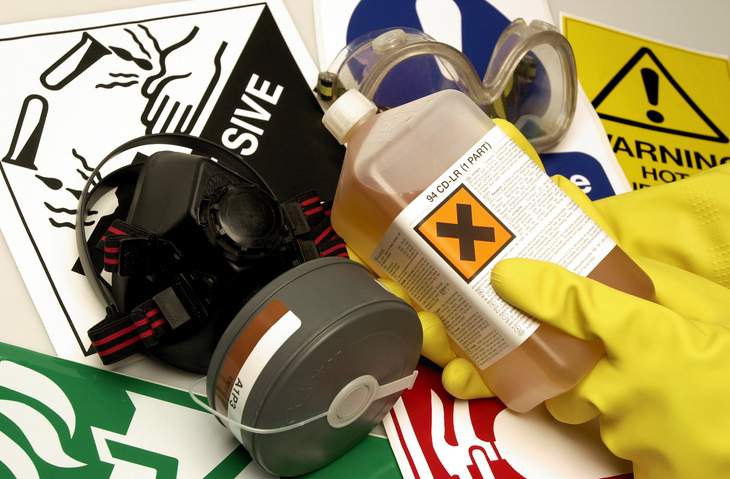
Personal Protective Equipment (PPE) — or construction PPE — refers to any clothing, equipment, or device designed to protect workers from site hazards. This acts as the last line of defence against injuries and illnesses when risks can’t be fully eliminated.
Managing PPE means:
- Making sure the equipment fits the individual comfortably
- Providing documented training on how to use it
- Keeping accurate logs to replace it as soon as it’s damaged
Types of PPE in construction
Here’s a breakdown of the key types of PPE you’ll find on site, and how to manage the paperwork around them:
- Head protection — Protects against impacts and falling objects. Remember: hard hats have expiration dates, meaning you’ll need to log issue dates, schedule regular visual checks for cracks, and document when a hat needs to be retired.
- Eye protection — E.g. safety glasses and chemical splash goggles to protect against flying debris and hazardous liquids. Keep an inventory of which types of goggles are issued to which workers, depending on their specific tasks.
- Hand protection — Standard leather work gloves prevent abrasions, while specialised nitrile gloves offer chemical resistance. Check your COSHH assessments to make sure the correct type of glove is issued for specific hazardous materials, and keep a log of when reusable gloves are distributed or replaced.
- Foot protection — Steel-toe safety boots provide crush protection, and slip-resistant soles help workers keep their footing on slippery or uneven surfaces. Highlight the need for regular, logged inspections to make sure the sole tread isn’t worn down to a dangerous level.
- Hearing protection — Foam earplugs and over-the-ear defenders protect against permanent hearing loss. Log the noise reduction ratings of your equipment to prove they meet the requirements of your noise risk assessments.
- Respiratory protection — Filtering face masks and fitted respirators stop workers from inhaling brick dust, silica, and fumes. It’s a legal requirement to keep records of face-fit testing to prove the masks are actually effective and seal properly to the worker’s face.
- High-visibility clothing — High-vis vests make sure workers are clearly seen in low-light conditions. Track issue dates and replace high-vis gear regularly, as the reflective strips lose their effectiveness after multiple washes.
Establishing a fatigue management policy
Fatigue is a big concern in the construction industry. The combination of long hours, early starts, and physically demanding manual labour takes a toll on the body and mind.
Combatting this actually comes down to smart administration. As an employer, you need a clear, documented fatigue management policy to prevent exhaustion-related issues in the first place.
What to include in your fatigue management policy
When you’re drafting your policy, make sure it gives your team clear guidelines on how fatigue will be handled. A strong policy should cover:
- Working hour limits — Set strict rules on maximum shift lengths, keeping extended hours or night shifts to a minimum wherever possible. You should also outline mandatory rest periods between shifts, so your team has enough time to recover.
- Break schedules — Document clear rest-break schedules, especially for workers performing heavy manual labour or operating machinery.
- Task rotation systems — Plan and record how you’ll rotate workers between highly physical tasks and lighter duties to reduce mental and physical strain.
- Reporting procedures — Create a clear, documented process for workers to report feeling exhausted or burnt out without fear of getting into trouble.
Examples of fatigue-related incidents
When exhaustion sets in, the consequences can be severe. Here are a few common examples of how fatigue can play out on a construction site:
- Operating heavy machinery — If a worker loses focus behind the controls of an excavator or forklift, they might struggle to use the machinery properly, easily leading to collisions, putting both the operator and nearby workers at risk.
- Missed safety hazards — When alertness drops, workers are more likely to walk straight past obvious dangers, like uneven surfaces, exposed wires, or unstable scaffolding.
- Slips, trips, and falls — Tired workers are less physically coordinated. Losing your balance is much easier when you’re exhausted, which drastically increases the risk of a nasty fall when working at height.
The role of accident reporting in construction Health & Safety
Even with the most robust construction Health & Safety policy in the world, accidents can still happen. When things go wrong, the most important thing is to figure out what happened so you can stop it from happening again.
The main purpose of accident reporting is to identify the root causes of site-specific incidents. By thoroughly investigating and documenting an event, you can put strategies in place to remove those risks in the future.
It’s also essential for Health & Safety in construction compliance. Under the Reporting of Injuries, Diseases and Dangerous Occurrences Regulations (RIDDOR), you have a legal obligation to report serious accidents to the Health and Safety Executive (HSE).
Types of accident reports in construction
Because construction sites are always changing, the incidents that can happen vary. To properly document and address different situations, you need to understand the three main types of reports you’ll be dealing with:
- Injury reports — These cover any physical harm workers experience on your site. They should include the type of injury, medical treatment received (if any), and whether they need time off work.
- Property damage reports — Focuses on incidents that result in damage to equipment, structures, or materials. Useful for when you’re looking at the financial impact of an incident and figuring out what needs repairing or replacing.
- Near-miss reporting — Anything that nearly resulted in an accident, but didn’t. Logging near-miss reports helps you spot early warning signs and put preventative measures in place before a real accident happens.
How to make an accident report in construction
To make sure your report is actually helpful, you need to paint a complete picture of the event. Here’s what you need to include:
- Date, time, and location — Record exactly when and where the incident took place to create a clear timeline.
- People involved — Note down the names and contact information of the injured parties, supervisors, and any witnesses.
- Equipment and materials — List any machinery, tools, or materials involved, and describe the condition of the equipment at the time.
- Environmental conditions — Document the weather, lighting, and visibility.
- Injuries and damages — Provide a clear, detailed description of any physical injuries or property damage.
Logging and storing these details is simple with our dedicated Health & Safety software.
How to manage subcontractors in construction
Bringing subcontractors onto your site is almost inevitable in construction. While they aren’t your direct employees, you’re still responsible for their Health & Safety while they’re on your site. Having a solid paper trail is the best way to make sure they’re following your policies:
- Start with a solid pre-qualification process — Evaluate potential partners based on their experience, safety records, and certifications before they even set foot on site. Using a subcontractor competence form is a brilliant way to vet them properly and keep that proof on file.
- Define a clear scope of work — To avoid any misunderstandings, get everything written down in a detailed contract. Outline the specific timelines, deliverables, and safety expectations clearly.
- Establish open communication — Set up regular meetings and progress reports to maintain transparency. Using project management software can help keep everyone aligned with the project’s goals and log all communication.
- Set expectations and monitor performance — Make sure they sign off on a comprehensive site induction. Then, document regular site inspections to make sure safety standards are being met.
- Conduct compliance checks — Making sure your subcontractors comply with Health & Safety regulations protects workers on site, shields your project from legal consequences, and avoids costly delays. Regular, logged safety audits are essential here.
How templates can standardise your Health & Safety paperwork
Starting your paperwork from scratch for every project drains your time and leaves room for important safety details to accidentally slip through the cracks. This is where using templates becomes a total game-changer.
Many construction Health & Safety regulations require specific formatting for documentation that can be confusing when you’re trying to stay on top of multiple projects at once. Using professionally drafted templates standardises your approach, meaning you get a consistent, compliant, and high-quality document every time.
Whether you’re creating a ground works risk assessment and matching method statement, or a detailed, step-by-step process for brick & blockwork, having a reliable starting point saves hours of admin work.
Master construction site safety with HS Direct
Keeping a construction site compliant, efficient, and safe is a big undertaking. Between managing paperwork, tracking PPE, and dealing with the realities of the job, it’s a lot to balance. The good news is, you don’t have to tackle it all on your own.
Whether you need help drafting method statements, evaluating risk assessments, or getting your Construction Phase Plan organised, we’re here to help.
Contact us today to get access to our Health & Safety advice line.