


















Keeping your team safe at work is always a top priority, but when you’re dealing with potentially harmful substances, the stakes are even higher. That’s where specific COSHH Health & Safety rules come into play, giving you a clear framework for protecting your employees.
In this guide, we’ll walk you through exactly what these rules mean for your business, who is responsible for what, and how to stay compliant with confidence.
Contents:
- What is COSHH?
- Why is COSHH important?
- What are the COSHH regulations?
- Who is responsible for overseeing COSHH compliance?
- Understanding COSHH symbols and meanings
- Common mistakes in COSHH compliance
- How can a COSHH risk assessment help?
What is COSHH?
First things first, what does COSHH stand for?
COSHH is an acronym for the Control of Substances Hazardous to Health. Simply put, it’s a set of regulations designed to protect workers from exposure to hazardous substances that could cause harm to their health.
These substances can range from common chemicals in everyday cleaning products and paints to less obvious hazards, like airborne dust and fumes. Ultimately, COSHH aims to reduce the exposure to these substances, preventing the potential health problems that can arise from inhalation, skin contact, or ingestion.
What industries does COSHH apply to?
While you might associate hazardous substances with laboratories or factories, COSHH actually applies across a wide range of industries. Some of the key sectors where COSHH plays a crucial role include:
Construction
Workers in the construction industry are regularly exposed to hazardous substances like dust, fumes, and harsh chemicals. Construction dust — particularly silica dust — poses a serious risk to lung health. Regularly breathing it in can cause life-altering diseases like lung cancer, asthma, COPD, and silicosis.
Beyond dust, workers might also encounter solvents in paints and glues, as well as harmful microorganisms.
Cleaning
The cleaning industry involves handling various chemicals, which can pose serious health risks if they aren’t managed properly.
Even something as simple as water can be a hazard; having your hands frequently wet during the day can irritate your skin and cause dermatitis. Some cleaning products also contain ingredients that cause skin allergies, while others are corrosive and can cause severe burns.
Engineering
Engineers often encounter hazardous substances like lubricants, solvents, and welding fumes. For example, metalworking fluids (MWF) can cause dermatitis or other skin diseases.
Effective control measures in this sector usually include dust or fume extraction, proper respirators, fluid maintenance, and regular skin checks to catch any issues early.
Agriculture
Farming and agriculture come with unique hazards. These include dust from plants, animals, or composted materials, as well as regulated products like pesticides, medicines, and fertilisers. Grain dust, for instance, can cause asthma and other respiratory diseases when breathed in.
Why is COSHH important?
Complying with COSHH regulations demonstrates a real commitment to your team’s safety and wellbeing. But there are plenty of other benefits besides just keeping your staff safe from harm.
A strong COSHH policy can lead to:
- Reduced workplace accidents and illnesses: By minimising exposure to hazardous substances, you’re directly creating a safer work environment and preventing long-term health issues.
- Increased productivity: Healthy employees are more productive. When your team feels well cared for, absence rates naturally drop.
- Improved morale: Prioritising safety also boosts employee morale and creates a positive, supportive workplace culture where people feel valued.
- Better reputation: Good COSHH compliance shows your commitment to responsible business practices, making you a more attractive employer and partner to potential clients.
What are the COSHH regulations?
The first step to becoming compliant is understanding the 3 main COSHH regulations. Let’s take a look:
- Conducting risk assessments (Regulation 6) — Before any work begins, you’ll need to identify the potential hazards and evaluate the risks associated with the substances your team will be using or creating.
- Preventing or controlling exposure (Regulation 7) — Once you know the risks, you need to put measures in place to either completely stop any exposure to the substance or control it properly if prevention isn’t possible.
- Providing training and information (Regulation 12) — You must make sure your staff are fully trained, informed, and understand the risks of the substances they’re working with.
What is covered by COSHH legislation?
COSHH covers a broad range of substances in almost every form — including solids, liquids, vapours, gases, and microorganisms. Some of the most common hazardous substances you’ll find across different industries include:
- Dusts: Including silica dust from bricks and concrete, wood dust in carpentry, and grain dust in agriculture.
- Chemicals and cleaning agents: Think products like bleach, strong detergents, and corrosive drain cleaners.
- Fumes and vapours: Including welding fumes, solvent vapours from paints and glues, and vehicle exhaust fumes.
- Biological agents: Such as bacteria, viruses, and fungi that healthcare workers, cleaning staff, or agricultural employees might encounter.
- Heavy metals and materials: Like lead found in old paint and pipes.
- Metalworking fluids: Commonly used as lubricants in engineering and manufacturing.
Note: Asbestos and lead actually have their own specific, dedicated regulations you’ll need to comply with alongside general COSHH rules — specifically, the Control of Asbestos Regulations 2012 and the Control of Lead at Work Regulations 2002.
How many steps are there to COSHH compliance?
Getting to grips with COSHH doesn’t have to be overwhelming. There are eight straightforward steps to follow to make sure you’re compliant:
- Assess the risks — Take a close look at the hazardous substances in your workplace, figure out how they’re being used, and identify exactly who might be exposed to them.
- Eliminate or swap — The best control is removal. Ask yourself if you can completely remove the hazardous substance or substitute it for a safer alternative.
- Put controls in place — If you can’t remove the hazard, introduce strict control measures. This could be engineering controls, such as local exhaust ventilation (LEV), or administrative controls, like changing the way people work.
- Regularly review controls — Don’t just set them and forget them. You need to routinely check your control measures to make sure they’re still working exactly as they should be.
- Plan for emergencies — Always be prepared for the worst. Map out clear procedures for how your team should handle spills, accidents, or any emergencies involving hazardous substances.
- Monitor the air — In some cases, you’ll also need to measure the concentration of hazardous substances in the air to check that your control measures keep exposure levels safe.
- Keep an eye on health — Set up health surveillance, like monthly check-ins or symptom questionnaires, to monitor your employees’ wellbeing — especially if they work with substances known to cause specific diseases.
- Train your team — Arm your staff with the knowledge they need to stay safe. Inform them about the specific hazards they face and train them thoroughly on how to use control measures and PPE safely.
Who is responsible for overseeing COSHH compliance?
Staying safe in the workplace is a team effort, and COSHH responsibilities sit with both you and your employees.
As an employer, you need to create a safe working environment and build a culture of safety. This sets a good example throughout your business and emphasises the importance of following COSHH to everybody. But employees also have to actively engage in that culture too, and make sure they’re following the measures put in place to reduce risks.
Employer responsibilities
As an employer, your COSHH responsibilities broadly fall into a few key areas that form the foundation of a secure workplace:
- Risk assessments — You’ll need to identify any potential hazards and evaluate the risks associated with them. If you have five or more employees, you legally have to write this assessment down, but it’s best practice to document it regardless of your staff size.
- Implementing control measures — It’s your job to put practical measures in place to minimise exposure and reduce the risks of handling any harmful materials.
- Monitoring and surveillance — You’ll need to regularly assess your control measures to make sure they stay effective over time, even as your business grows and changes.
- Sharing information — You have to provide your team with comprehensive, easy-to-understand information about every hazardous substance they work with. This includes making them aware of any side effects and health risks.
- Training and supervision — It’s vital to equip your employees with the knowledge and skills they need to work safely, and supervise them to make sure they’re following the rules.
- Health surveillance — Monitor the health of employees who are exposed to hazardous substances so you can catch and address any potential health issues as early as possible.
- Review and adapt — Continuously review your processes and adapt your control measures whenever necessary, such as when introducing new equipment or chemicals.
Employees responsibilities
Employees also play a crucial role in maintaining COSHH compliance. To help safeguard themselves and their colleagues, employees are responsible for:
- Following the rules: Sticking to established safety procedures and using any personal protective equipment (PPE) correctly.
- Engaging in training: Actively participating in training sessions and making sure they understand the potential risks of the substances they handle.
- Reporting issues: Informing supervisors or managers immediately about any safety concerns, faulty equipment, or incidents.
- Cooperating: Collaborating with employers to help maintain a safe working environment.
- Using controls properly: Using the provided control measures (like extraction fans or specific handling techniques) exactly as intended to reduce risk.
- Maintaining equipment: Taking good care of their PPE, storing it correctly, and reporting any damage.
- Self-care: Ultimately, employees have a responsibility to look out for their own Health & Safety, as well as the wellbeing of the colleagues around them.
Understanding COSHH symbols and meanings
Have you ever noticed those red diamond-shaped symbols on the back of a cleaning bottle or a paint tin? Those are COSHH symbols. They serve a very specific purpose: to give you an immediate visual warning about the hazards associated with a particular substance.
Understanding COSHH symbols is crucial for keeping your workplace safe, as they tell you exactly what kind of danger you’re dealing with before you even open the lid. Let’s break down the different types:
Explosives
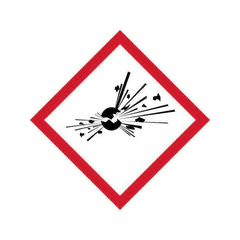
The explosive symbol indicates whether a substance or mixture has the potential to explode when exposed to heat, shock, or friction.
It’s a clear warning that extreme caution is required. Explosives are defined as chemicals or substances that may be unstable, may explode in a fire, or may pose a mass explosion or projection hazard.
Substances in this category could include heavy metal azides or acetylene.
Flammable
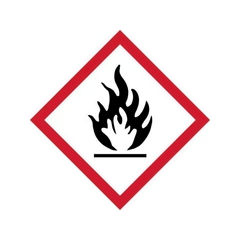
The flammable symbol indicates that a substance might catch fire when exposed to an open flame, heat, or even sparks.
This symbol should immediately alert you to the fire risk associated with the substance. It’s used on chemicals that ignite on contact with air, have a low flashpoint, or create flammable gases when mixed with water.
Flammable substances can be solids, liquids, or gases, including common substances like acetone, benzene, and menthol.
Oxidising
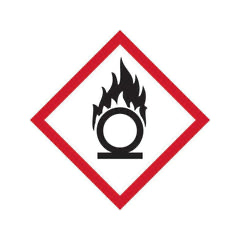
The oxidising symbol shows that a substance has the potential to cause an exothermic reaction (combustion) when it comes into contact with another chemical. These substances can cause an explosion, start a fire, or significantly increase the intensity of an existing fire by providing it with oxygen.
Common examples include bleach, hydrogen peroxide, and halogens.
Gas under pressure
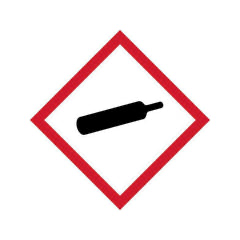
This symbol represents substances that are stored under pressure in cylinders or receptacles. If they aren’t handled properly, they could explode. Alternatively, if they are refrigerated liquefied gases, they could lead to severe cryogenic injuries (like frostbite) if they leak.
Corrosive
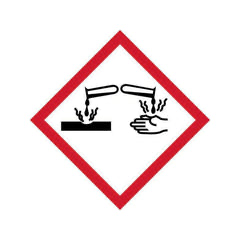
The corrosive symbol indicates that a substance is highly acidic or alkaline. These chemicals can cause severe, irreversible damage to the skin and eyes and can potentially eat through other materials, like metal. When dealing with corrosive substances, using proper protective measures, like heavy-duty gloves and eye protection, is absolutely essential.
Examples include ammonia, acetic acid, hydrochloric acid, and heavy-duty drain cleaners.
Toxic
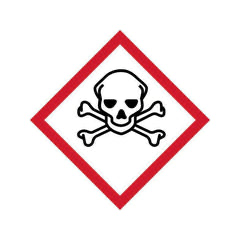
The toxic symbol (featuring a skull and crossbones) is a severe warning.
It means that exposure to the substance — whether through swallowing, breathing it in, or simply getting it on your skin — can lead to serious health effects or even be fatal. Even low-level exposure to some toxic substances can be severely damaging, so extreme caution and robust protective equipment are mandatory.
Examples include cyanides, white or red phosphorus, and sodium azide.
Health hazards
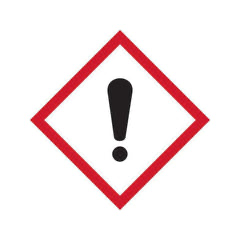
This is a general COSHH hazard symbol (an exclamation mark) showing that the substance is dangerous to health. It might cause skin irritation, dizziness, allergic reactions, or respiratory irritation. It indicates that caution should be taken when handling the product. You’ll often see this on everyday items like bleach, general cleaning chemicals, glues, and some paints.
Dangerous for the environment
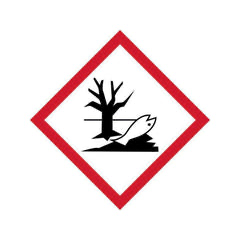
The final symbol indicates a substance is dangerous to the environment. It shows the potential harm the chemical could cause to ecosystems, particularly aquatic life.
These substances can cause immediate or gradual damage, meaning they must be handled, stored, and disposed of responsibly.
Common examples include pesticides, biocides, and petrol.
Common mistakes in COSHH compliance
Even with the best intentions, it’s easy to make slip-ups when managing hazardous substances. Here are a few common mistakes that can trip you up and leave your business at risk of a COSHH violation:
Relying on PPE as the only line of defence
Personal protective equipment (PPE) plays a really important role in keeping workers safe, but it shouldn’t be your only line of defence. Deeper control measures, like engineering and administrative controls, are equally, if not more, important.
For example, installing proper ventilation systems to extract fumes or substituting a harsh industrial chemical for a milder alternative can significantly reduce the risk of exposure before PPE is even needed.
Not identifying hazardous substances
It’s not always possible to immediately identify every hazardous substance in your workplace — especially the invisible ones, like vapours or fine dust. Because of this, you might end up underestimating the potential risks.
It’s essential that you educate your workers about the less obvious dangers in your specific industry. Emphasise the importance of recognising and reporting any substances that might pose a threat, even if the harm isn’t immediate.
Failing to address the risks
Unfortunately, around 11,000 people die each year from lung disease caused by past exposure to chemicals or dust at work.
Sometimes, people identify hazardous substances but downplay their dangers, assuming that a little exposure won’t hurt. But, when it comes to materials like asbestos, the World Health Organisation (WHO) states that there’s no safe level of exposure.
How can a COSHH risk assessment help?
A COSHH risk assessment is your proactive shield against workplace illnesses. Instead of waiting for an accident to happen or a health issue to develop, a risk assessment helps you spot any potential risks well before they cause problems.
By systematically identifying potential hazards, you can put measures in place to remove or control them, keeping your team safe and your business compliant.
What should a COSHH risk assessment include?
Conducting a thorough risk assessment is essential to identifying potential hazards and putting in place effective control measures. To make sure you’ve covered all your bases, your assessment should include:
- Identification of all hazardous substances: Pinpoint exactly what dangerous chemicals, materials, or vapours are present in your workplace.
- Safety Data Sheets (SDS): Pull together the SDS for each chemical you use. These sheets are provided by the supplier and contain information about the hazards, safe handling, and emergency measures for that specific substance.
- Who is at risk: Identify who might be exposed and who is most at risk. Is it just the people handling the substance, or could nearby workers, cleaners, or visitors be affected too?
- Exposure details: Assess how the exposure could happen (inhalation, skin contact, swallowing), how often it might occur, and how long the exposure lasts. Is this within safe levels, or do you need to implement changes?
- Control measures: List out all of the appropriate control measures you’re putting in place to minimise or eliminate exposure.
- Emergency procedures: Clearly outline what steps need to be taken if something goes wrong, such as a chemical spill or accidental ingestion.
- Health surveillance: Note whether the specific substances being used require you to monitor your employees’ health over time.
- Training and information: Document what training your staff have received so you know they are fully equipped to handle the substances safely.
- Regular reviews: Make sure you’re regularly reviewing and updating the assessment to check it’s still effective.
Manage COSHH effectively with HS Direct
Navigating COSHH regulations can feel like a lot of pressure, but you don’t have to do it alone.
At HS Direct, our library of over 60 COSHH assessment templates can simplify the risk assessment process. These templates provide all the guidance you need to identify and manage hazardous substances, reducing risks, and guaranteeing a safer environment for you and your employees.
Not sure where to start? Try out our blank COSHH assessment template to get a feel for the process.
Or, if you’ve got more questions about your Health & Safety responsibilities, contact us today, and our friendly experts will be happy to help.